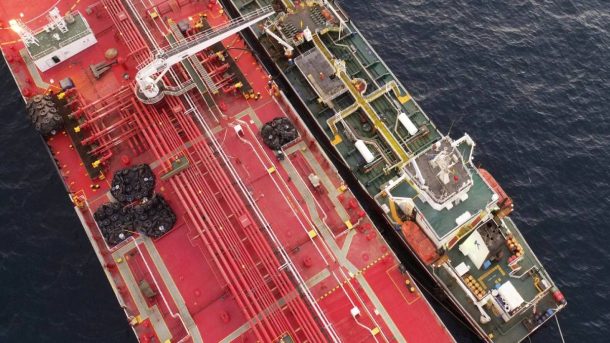
Marine fuels are not interchangeable, and their differences can affect vessel performance, fuel handling, emissions, and compliance. Marine Gas Oil and Heavy Fuel Oil have distinct characteristics, including viscosity, density, sulphur content, storage requirements, and combustion properties. These differences affect where each fuel is suitable and how it must be managed onboard.
This article examines the key differences between marine gas oil UAE and heavy fuel oil, including their properties, applications, and practical considerations for marine operations.
Fuel composition and quality
Marine gas oil (MGO) contains lighter petroleum fractions and is cleaner than heavy fuel oil (HFO). It has lower viscosity, making it easier to pump, transfer, and inject into marine engines. Heavy fuel oil contains heavier hydrocarbons, residual oils, and higher impurity levels. Its thick consistency usually calls for heating and treatment before use.
Viscosity and engine operation
Viscosity affects how smoothly fuel moves through a ship’s fuel system. Marine gas oil flows readily at normal operating temperatures, which simplifies pumping and injection. Many marine engines use MGO without extensive fuel preparation. Heavy fuel oil is much thicker, so operators heat it to achieve suitable flow and injection conditions. HFO systems also use separators and filters to remove water and contaminants.
Emissions and environmental impact
Fuel choice affects a vessel’s exhaust emissions. Marine gas oil generally contains less sulphur than conventional heavy fuel oil, helping ships meet applicable sulphur limits when operators select a compliant grade. Heavy fuel oil may contain higher sulphur concentrations and produce greater sulphur oxide emissions unless it meets relevant specifications or the vessel uses approved exhaust gas cleaning technology. Both fuels produce carbon dioxide during combustion.
Cost and storage requirements
Heavy fuel oil typically costs less per unit than marine gas oil, although prices vary by market, grade, and location. However, HFO systems involve heating equipment, treatment processes, and additional maintenance. Marine gas oil usually simplifies storage and handling because it flows more easily and needs less preparation. Operators compare purchase prices with operating expenses, equipment requirements, and compliance costs to choose the most economical option.
Choosing the right marine fuel
The best fuel choice reflects vessel design, engine requirements, trading routes, environmental rules, and budget. Marine gas oil suits operations that benefit from simpler fuel handling and lower sulphur content. Heavy fuel oil remains an option for compatible vessels equipped with suitable treatment systems. Ship operators should verify fuel specifications, supplier credentials, and delivery documentation before purchase.