
October 8, 2026

How Tutoring Agencies Ensure High Standards Among Their Educators

How Tutoring Agencies Ensure High Standards Among Their Educators

When hiring a tutoring provider, families compare schedules and fees. Families also want confidence that educators possess strong academic knowledge, communication skills, and professional standards.

Reputable providers use structured checks before tutors meet learners, then monitor teaching quality through feedback, observations, and performance reviews. These practices help each tutoring agency maintain dependable standards across its educator network for learners today.

Thorough educator screening

Quality starts before an educator joins the teaching team. Agencies review qualifications, subject expertise, teaching experience, and references during recruitment. Interviews test communication, problem-solving, and classroom judgment through practical questions or sample lessons. This screening helps agencies select educators who understand their subjects and explain concepts clearly.

Structured onboarding and training

After recruitment, educators receive guidance on teaching expectations, lesson preparation, learner communication, safeguarding, and professional conduct. Training introduces the agency’s standards. Managers may provide guidance and feedback techniques to support consistent delivery. Regular training sessions keep educators familiar with curriculum expectations.

Lesson quality checks

Agencies use several methods to review teaching quality. Academic managers may observe lessons, inspect learning materials, or review progress records. These checks highlight effective teaching practices and reveal areas that require improvement. Managers document observations and actions, so educators understand the next steps after each review. Clear records help leadership spot patterns and respond before concerns affect progress.

Student feedback matters

Learner feedback gives agencies valuable insight into classroom experiences. Students can comment on explanations, lesson structure, communication, preparation, and support. Agencies compare this information with progress and tutor evaluations. Patterns in feedback help managers recognise effective educators and identify recurring concerns. This approach connects student experience with educator development.

Ongoing professional development

High standards call for regular professional growth. Agencies encourage tutors to update subject knowledge, explore fresh teaching techniques, and discuss classroom challenges with academic managers. Workshops, peer discussions, resource sharing, and targeted coaching support this growth. Educators who develop their skills stay prepared for different learning preferences. Ongoing development also keeps teaching standards consistent across the team.

Strong agencies set measurable expectations for punctuality, preparation, communication, lesson quality, progress reporting, and professional behaviour. Managers review these standards regularly and address gaps through coaching or additional training. Recognition for good performance can motivate educators to maintain high standards. With clear expectations and regular reviews, agencies build teaching teams that deliver reliable academic support to learners.
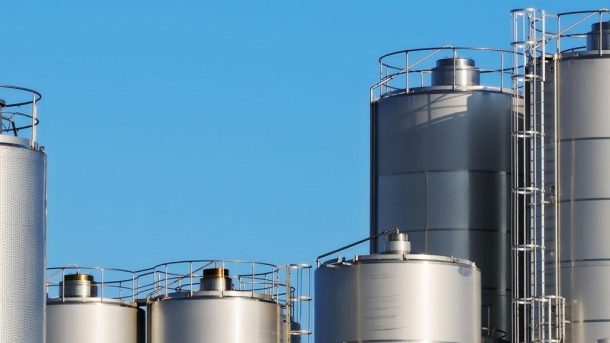

Upgrading Legacy Fuel Storage To Modern Double Wall Diesel Tanks

Upgrading Legacy Fuel Storage To Modern Double Wall Diesel Tanks

An aging fuel tank can become a hidden liability, with corrosion, undetected leaks, weak containment, and outdated monitoring creating risks that grow over time. Replacing legacy equipment with a double-wall system adds secondary containment while improving protection, durability, and leak detection. The upgrade can also reduce the likelihood of costly fuel loss, environmental damage, and unexpected downtime.

A modern diesel tank is therefore a practical investment when older storage equipment can no longer provide the protection and reliability today’s operations demand.

Spotting problems in legacy tanks

Older fuel tanks may show rust, weakened seams, damaged fittings, or signs of fuel leakage. Single wall designs also provide limited protection if the primary tank develops a breach. Regular inspections help identify these issues, but aging equipment can still present operational concerns. Replacing outdated storage with a modern double wall system gives facilities a more secure foundation for diesel management.

Understanding double wall construction

Double wall diesel tanks feature an inner tank surrounded by a secondary containment layer. This structure adds a barrier against fuel escaping into the surrounding area. The space between the walls can also house leak-detection equipment, allowing operators to identify problems sooner. This construction suits facilities that store fuel for generators, industrial machinery, emergency systems, and other essential equipment.

Improving leak detection

Modern storage systems can integrate monitoring devices that alert operators when fuel enters the space between the tank walls. Early detection gives maintenance teams time to investigate the source and address the issue before a minor fault develops into a larger incident. Digital monitoring also supports routine inspections by providing useful information about tank conditions and possible containment concerns.

Choosing the right tank capacity

Tank capacity should match the facility’s fuel consumption, generator load, operating schedule, and available installation space. A tank that holds too little fuel may lead to frequent refilling, while excessive capacity can occupy valuable space and increase storage costs. Reviewing actual consumption records helps operators select a practical size that supports reliable equipment operation without unnecessary storage volume.

Planning the replacement process

Replacing a legacy tank involves beyond removing old equipment and positioning new storage. Operators should review fuel transfer arrangements, foundation conditions, piping, ventilation, access points, electrical connections, and monitoring equipment. Qualified technicians can assess the existing setup and coordinate installation around operational schedules. This approach reduces disruption and helps the new system integrate smoothly with existing diesel infrastructure.